

Berlin is known for its thriving cultural scene. It is home to numerous museums, art galleries, theaters, and music venues. The city has a diverse and vibrant arts community, attracting artists and creatives from around the world. Berlin is a popular tourist destination, attracting millions of visitors each year. Tourists come to explore its historical landmarks, including the Brandenburg Gate, Berlin Wall remnants, and Checkpoint Charlie. The city also offers a wide range of cultural attractions, nightlife, and culinary experiences. So here’s some tips on visiting this big city on a solo trip.
Find flights
Table of Contents
Facts About Berlin
Germany’s Largest City
Berlin is the largest city in Germany and is renowned for its art scene, historical landmarks, and nightlife. Berlin has an area of 891 km2 (344.02 sq mi) and has about almost 3.8 million inhabitants(2020), making it the most populous in Germany too. The city is known for its cosmopolitan and diverse population. People from different backgrounds and nationalities contribute to the city’s cultural fabric, making it a melting pot of cultures and ideas.
Capital of Germany
Berlin is the capital city of Germany, known for its rich history, vibrant culture, and diverse attractions. It holds a significant place in the country’s history, politics, culture, and economy. Here are some key points about Berlin as Germany’s capital:
Historical Significance: Berlin’s history is rich and complex. It has been the capital of several different entities over the centuries, including the Kingdom of Prussia, the German Empire, the Weimar Republic, the Third Reich, and East and West Germany. After the fall of the Berlin Wall in 1989, the city regained its status as the unified capital of a reunified Germany.
Political Importance: As the capital of Germany, Berlin is the seat of the federal government and serves as the political center of the country. The Bundestag (the German Parliament) meets in the Reichstag building, and the Chancellor’s office is located in the Federal Chancellery.
Education and Research: Berlin is a hub for education and research, with several renowned universities, research institutes, and libraries. It has a reputation as a center for intellectual and academic pursuits.

Berlin Has More Bridges Than Venice
With over 1,700 bridges, Berlin has even more than Venice, Italy. The Spree River and several canals crisscross the city, creating scenic waterways that make Berlin a great destination for boat tours.
Home to the Largest Turkish Population Outside Turkey
Berlin has a large Turkish community, especially in neighborhoods like Kreuzberg. The presence of Turkish culture has enriched the city’s food scene, giving rise to popular street foods like the Döner kebab, which was actually invented in Berlin.
The Iconic Berlin Wall Was Erected Overnight
On the night of August 12-13, 1961, East Germany quickly built the Berlin Wall, dividing East and West Berlin. The wall stood as a powerful symbol of the Cold War until it was famously brought down in 1989, leading to German reunification.
Berlin is Nine Times the Size of Paris
Covering 891 square kilometers (344 square miles), Berlin is vast—about nine times larger than Paris. However, with less dense construction, Berlin is known for its expansive green spaces, parks, and lakes that offer plenty of room to roam.
Street Art Capital of the World
Berlin is famous for its street art, particularly along the East Side Gallery, a preserved section of the Berlin Wall adorned with murals by artists from all over the world. Street art can be found all over the city, making it a haven for graffiti artists and muralists.

Has Over 175 Museums
Berlin’s Museum Island, a UNESCO World Heritage site, is home to five major museums, but the entire city boasts more than 175 museums, including unique ones like the Museum of Medical History and the Currywurst Museum.
One of the Greenest Cities in Europe
Roughly 44% of Berlin is made up of parks, forests, rivers, and lakes, making it one of the greenest capitals in Europe. The Tiergarten is Berlin’s largest park, covering 210 hectares, perfect for relaxing and picnicking.
Germany’s Only City-State
Berlin is one of Germany’s 16 federal states and is the only one designated as a city-state, giving it both city and state status with its own local government.
Berlin’s Public Transport Runs 24/7
Berlin’s public transport is highly efficient and includes U-Bahn, S-Bahn, trams, and buses. On weekends, the U-Bahn and S-Bahn run 24/7, making it easy to explore the city day or night.
The World’s Largest Open-Air Gallery
The East Side Gallery is the world’s largest open-air gallery, spanning 1.3 kilometers along the former Berlin Wall. It features more than 100 paintings by artists from around the globe, capturing the spirit of freedom and unity.

“Currywurst” is a Culinary Icon
Berlin is famous for currywurst, a popular street food of sliced sausage topped with a curry-flavored ketchup sauce. Berliners consume about 70 million servings of currywurst every year.
No Skyscrapers in Berlin’s Skyline
Despite being a major European capital, Berlin has strict building regulations that limit the height of buildings, resulting in a relatively low skyline. This helps maintain the historical aesthetic of the city.
More Doner Kebabs Than Istanbul
Doner kebab, a popular street food, was actually invented in Berlin by Turkish immigrants in the 1970s. Today, Berlin has more doner kebab shops than Istanbul, making it one of the city’s signature fast foods.
Berlin’s Bear Symbol and Name Origin
The bear is Berlin’s official symbol, seen on the city’s coat of arms. Although the exact origin is uncertain, it is believed to be a nod to the city’s founder, Albert the Bear, or because “Berlin” resembles the German word for bear, “Bär.”
A City of Festivals
Berlin is famous for its diverse festivals, including the Berlin International Film Festival (Berlinale), Karneval der Kulturen (Carnival of Cultures), and the Festival of Lights, which lights up major landmarks each autumn.

Where to Book Your Trip
When planning your solo travel to Berlin, consider booking your trip through reputable travel websites, airlines, or travel agencies. Additionally, you can use online platforms to find accommodation options that suit your preferences and budget.
Transportation and Getting Around
Berlin has an excellent public transportation system, making it easy for solo travelers to explore the city. The BVG (Berliner Verkehrsbetriebe) operates trains, trams, buses, and the U-Bahn (subway) network. You can purchase a Berlin WelcomeCard that offers unlimited travel within specific zones and discounts on various attractions. Alternatively, you can rent a bike to explore the city at a more leisurely pace.

Things to See and Do on Your Solo Travel in Berlin
Berlin’s historic and cultural landmarks offer endless opportunities for exploration. Here’s a guide to some of the top spots you shouldn’t miss:
- Brandenburg Gate: A neoclassical monument and one of Berlin’s most recognizable symbols, symbolizing peace and unity.
- Reichstag Building: Home to the German Parliament, the Reichstag offers free rooftop views of Berlin, perfect for sunset views over the city.
- Museum Island: A UNESCO World Heritage site with five world-class museums, including the Pergamon Museum and the Neues Museum.
- East Side Gallery: A preserved section of the Berlin Wall, transformed into an open-air gallery showcasing powerful street art and political messages.
- Tiergarten: This massive, lush park in the city center is ideal for a leisurely stroll or a peaceful break from sightseeing.
- Berlin Wall Memorial: Visit this somber site to learn about Berlin’s divided past and gain a deeper understanding of the city’s Cold War history.
- Alexanderplatz: A bustling square with shopping, dining, and the iconic TV tower, which offers panoramic views of Berlin.
- Holocaust Memorial: This solemn tribute to the Holocaust victims provides an emotionally moving experience in memory of those who perished.
Practice German with the locals
Engaging in conversations with locals is an excellent way to practice your German language skills. Most Berliners speak English, but trying out some basic German phrases will be appreciated by the locals and enhance your travel experience. Basic greetings, thank you (“Danke”), and polite phrases will be appreciated by locals and may even spark conversations that lead to new insights or recommendations.
What and Where to Eat
Berlin’s food scene is as diverse as its population, offering everything from traditional German fare to international cuisine. Here are a few recommendations:
- Currywurst: A must-try Berlin specialty—grilled sausage topped with curry ketchup, often served with fries.
- Döner Kebab: This Turkish-inspired dish has become a Berlin classic, found at countless food stands around the city.
- German Classics: Try local dishes like schnitzel and bratwurst at authentic German restaurants.
- Street Markets: For a casual and local experience, visit food markets like Markthalle Neun or the Turkish Market along the canal in Kreuzberg, where you’ll find fresh produce, artisanal foods, and street snacks.
Budget and Money Saving Tips
Berlin can be a budget-friendly destination if you know where to look. Here are some money-saving tips:
- Berlin WelcomeCard: Provides discounted entry to many attractions and includes public transportation.
- Museum Free Days: Many museums offer free admission on specific days each month—check their websites for details.
- Street Food and Local Eateries: For an affordable meal, explore Berlin’s street food scene or try smaller local eateries instead of pricier restaurants.
- Free Walking Tours: Join a guided walking tour to learn about Berlin’s history and main landmarks without breaking the bank.
- Seasonal Events: Berlin hosts various free events and festivals throughout the year, especially in summer and during the holiday season.
Where To Stay
As a solo traveler, hostels can be a great option to meet fellow travelers and save on accommodation costs. There are plenty of hostels in Berlin that cater specifically to solo travelers. Alternatively, budget hotels and Airbnb rentals are also available in various neighborhoods across the city.
How to Stay Safe on a Solo Travel in Berlin
Berlin is generally a safe city for travelers, but like any big city, it’s essential to take some precautions:
- Keep your belongings secure, especially in crowded places and public transportation.
- Be cautious in nightlife areas and avoid excessive alcohol consumption.
- Stick to well-lit and busy areas when exploring at night.
- Always have emergency contact information and addresses of your accommodation handy.
Packing List and Essentials
- Passport and Travel Documents
- Travel Insurance
- Comfortable Walking Shoes: Berlin is a city best explored on foot.
- Weather-Appropriate Clothing: The weather can vary, so pack layers for adaptability.
- Universal Adapter: For charging devices, as Germany’s outlets may differ from your home country.
- Portable Charger: Helpful for full days of sightseeing.
- Reusable Water Bottle: Save on bottled water by refilling at public water fountains.
- Daypack: A small backpack for daily essentials and snacks.
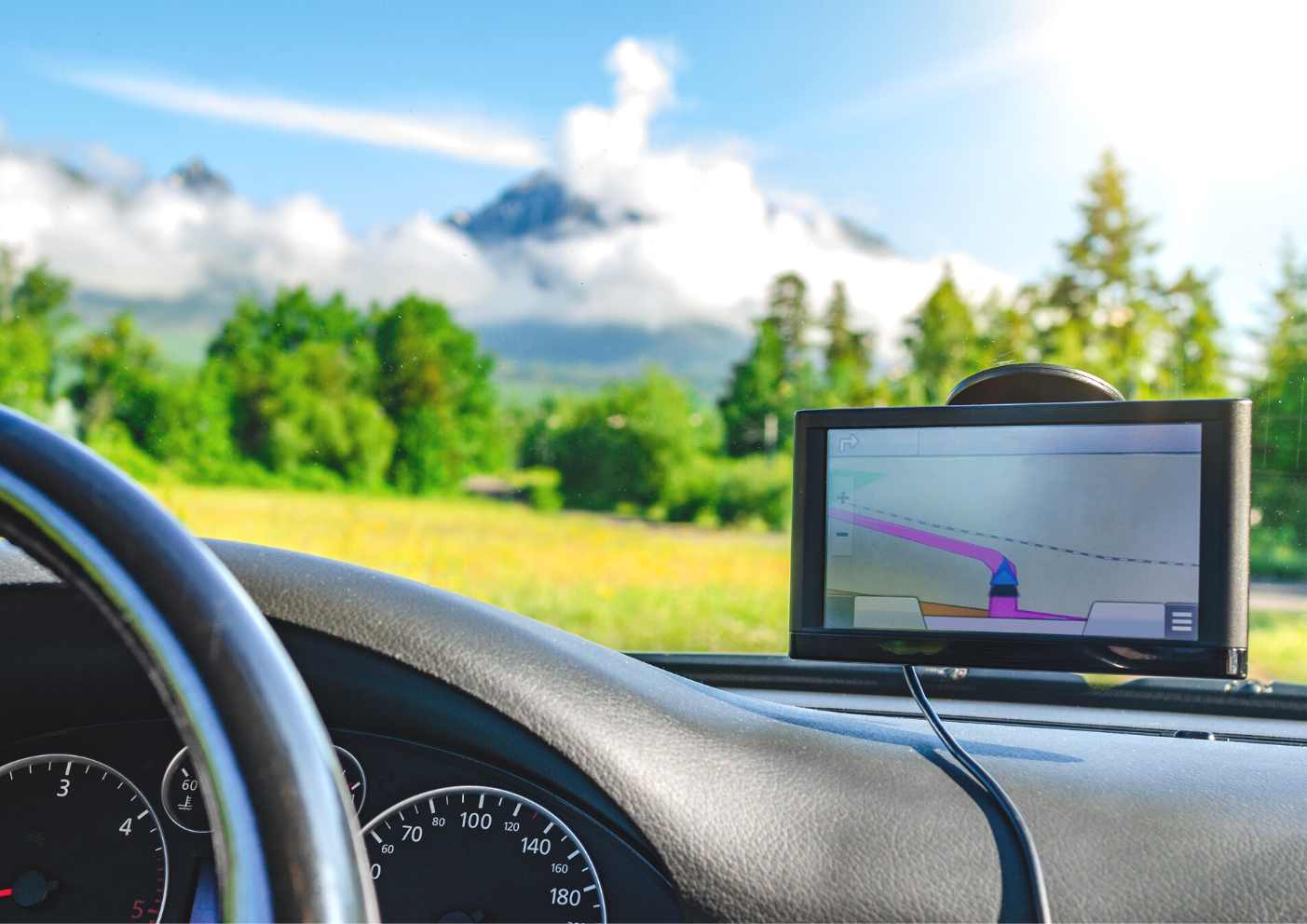
- Navigation: A map or GPS-enabled device to guide you through the city.


Leave a Reply